
Table of Contents
The main difference between MDR and a traditional SOC is ownership and operational model. A traditional security operations center (SOC) is an in-house team of security analysts that you hire, manage, and operate yourself, while managed detection and response (MDR) is an outsourced security service where an external provider handles threat detection and response on your behalf. Think of it this way: a SOC is like having your own internal IT help desk, whereas MDR is like outsourcing that function to a specialized support company that operates 24×7 with dedicated experts.
Both approaches aim to protect your organization from cyber threats through continuous monitoring and incident response, but they differ significantly in staffing requirements, cost structure, technology ownership, and how they integrate with your existing team.
MDR vs. SOC difference
Let’s break down the fundamental differences between MDR and traditional SOC operations:
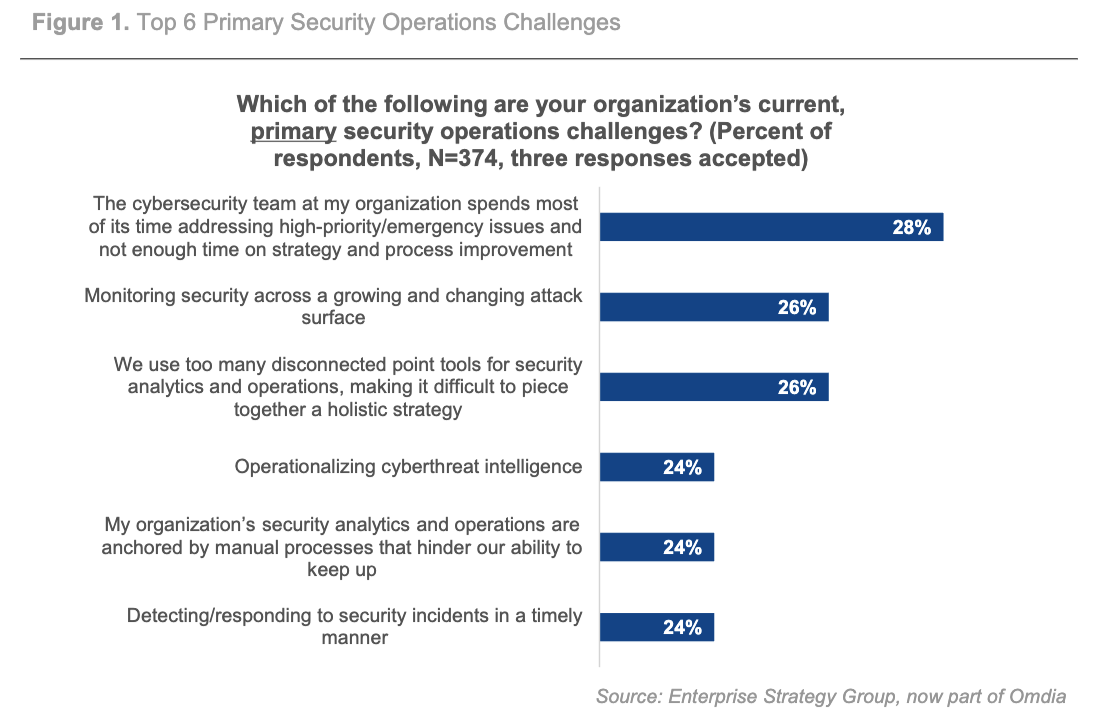
Staffing and expertise: A traditional SOC requires you to recruit, hire, train, and retain your own security analysts. This typically means building a team of at least eight to ten full-time employees to maintain 24×7 coverage. You’re responsible for their salaries, benefits, training, and managing turnover.
MDR flips this model entirely. Your provider maintains the security analyst team, and you access their expertise through a service subscription. You gain immediate access to experienced professionals without the recruitment headaches or ongoing HR management.
Technology ownership: With a traditional SOC, you purchase, deploy, configure, and maintain all the security technologies yourself—SIEM platforms, EDR tools, threat intelligence feeds, and more. You own these tools, which means you control them completely but you’re also responsible for keeping them updated and properly tuned.
MDR providers typically bring their own technology platform that integrates with your existing security tools. The MDR provider manages the technology operations, not you.
Operational model: Running a traditional SOC means you’re operating a 24×7 security function internally. Your team handles alert triage, investigations, incident response, and threat hunting. You develop your own playbooks and make all operational decisions.
MDR operates as an outsourced service model. The provider’s team performs these functions on your behalf according to agreed-upon service level agreements. You maintain oversight and receive incident notifications, but the day-to-day operations happen at the provider’s security operations center.
Cost structure: Traditional SOC costs include analyst salaries, security tool licenses, infrastructure, and training programs. MDR services typically operate on a subscription pricing model, often based on the number of devices protected or scope of coverage. Costs are more predictable and generally lower than building an equivalent in-house capability.
Expertise depth: Your traditional SOC team develops expertise through incidents they handle within your environment, but they only see attack patterns that target your organization. MDR providers gain expertise across hundreds of customer environments, and when they encounter a novel attack technique at one customer, they immediately apply that knowledge to protect all customers.
Is MDR the same as a SOC?
No, MDR is not the same as a SOC, though they serve similar purposes. The confusion arises because both provide threat detection and incident response capabilities—but the way they deliver those capabilities differs fundamentally.
A security operations center is a facility, team, and set of processes dedicated to monitoring and protecting an organization’s security posture. It’s a function you build and operate internally. You hire analysts to work in shifts, deploy technology tools, and create standard operating procedures for handling different types of incidents.
MDR is a managed service that delivers SOC-like capabilities without you building the SOC infrastructure yourself. Instead of hiring analysts, you subscribe to a service that provides those analysts. Instead of buying and operating a SIEM platform, the MDR provider brings their own technology that integrates with your environment.
Think of the relationship this way: a SOC is the “what”—the security operations function itself. MDR is the “how”—a specific delivery model for obtaining security operations capabilities.
Some organizations actually use both. They maintain a small internal SOC team focused on strategic security initiatives while partnering with an MDR provider to handle 24×7 monitoring and frontline incident response. This hybrid approach lets the in-house team focus on high-value activities without burning out on alert triage.
The key distinction: ownership and operation. A traditional SOC is owned and operated by your organization. MDR is owned and operated by a service provider who works on your behalf.
Can MDR and a SOC work together?
Absolutely—and this hybrid model is increasingly common, especially at mid-sized and large enterprises that want to balance internal capabilities with external expertise.
Here’s how MDR and an internal SOC typically work together:
Division of responsibilities: The MDR provider handles tier-one and tier-two functions—alert monitoring, initial triage, and first-response containment. Your internal SOC team focuses on tier-three activities like deep-dive forensic investigations, security architecture improvements, and strategic initiatives.
Extended coverage: Your internal SOC might operate during business hours while the MDR provider covers nights, weekends, and holidays. This gives you 24×7 security operations without requiring your internal team to work grueling on-call rotations.
Expertise augmentation: Your SOC team gains depth of knowledge about your specific environment, while the MDR provider brings breadth of knowledge from protecting hundreds of other organizations. When your team encounters an unusual threat, they can consult with MDR analysts who’ve likely seen similar attacks elsewhere.
Scalability buffer: During major incidents or periods of heightened threat activity, having both internal SOC and MDR resources means you can scale response efforts without overwhelming your team.
Technology leverage: Your MDR provider typically brings advanced detection and response technology that integrates with your existing security tools, enhancing your SOC’s visibility without requiring you to purchase additional platforms.
The partnership model works because MDR providers don’t aim to replace your security team—they aim to amplify its effectiveness.
Does MDR replace my SOC team?
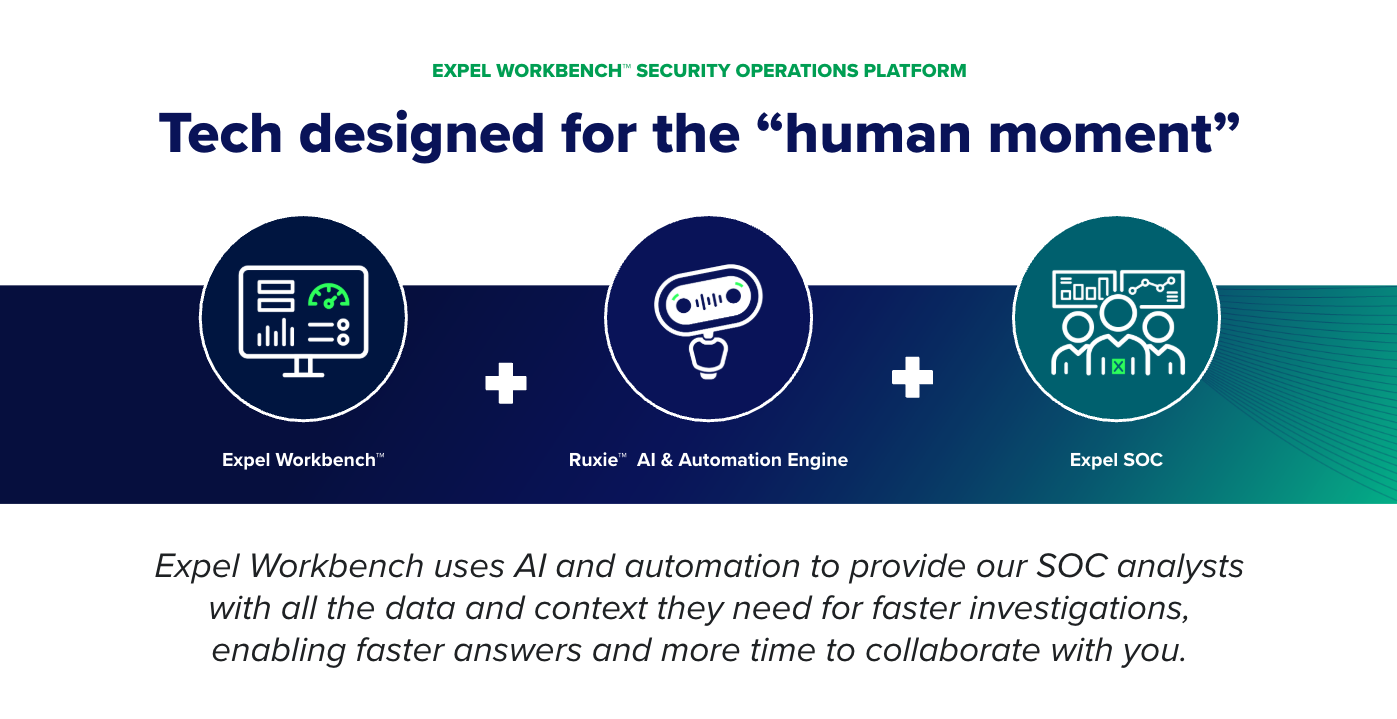
Not necessarily—it depends entirely on your organization’s security maturity, business requirements, and strategic goals. MDR can replace a SOC team, augment an existing team, or provide SOC capabilities where none previously existed.
Replacement scenario: For organizations that don’t currently have a SOC, MDR effectively replaces the need to build an internal SOC. Instead of going through the expensive process of hiring eight to ten analysts and deploying SOC infrastructure, you subscribe to MDR and immediately gain enterprise-grade security operations.
Augmentation scenario: Organizations with existing SOC teams often use MDR to extend their capabilities rather than replace them. Your internal analysts focus on security strategy, architecture, and tier-three investigations, while the MDR provider handles tier-one alert triage and initial response.
Specialization scenario: Some organizations maintain their SOC for certain functions—like monitoring specialized industrial control systems—while using MDR for standard IT infrastructure.
Every hour your internal analysts spend triaging false-positive alerts is an hour they’re not spending on strategic security improvements or architecture decisions. MDR lets you redirect those resources toward higher-value activities.
Even organizations that fully outsource detection and response to MDR typically retain at least one or two internal security professionals to serve as the liaison with the MDR provider, make decisions about security investments, and handle policy matters.
Is MDR cheaper than building a SOC?
In most cases, yes—MDR is significantly less expensive than building and operating an equivalent in-house SOC, especially for small to mid-sized organizations.
Let’s break down the true cost of a traditional SOC:
Personnel costs: You need a minimum of eight to ten full-time analysts to provide 24×7 coverage. This represents significant annual personnel investment in salaries, benefits, taxes, and overhead.
Technology costs: A functional SOC requires SIEM platforms, EDR tools, threat intelligence feeds, security orchestration platforms, and case management systems—with substantial annual licensing and infrastructure costs.
Training and development: Security threats evolve constantly, so your analysts need ongoing training, certifications, and professional development.
Management overhead: Someone needs to manage the SOC—hiring, performance reviews, scheduling, and process development.
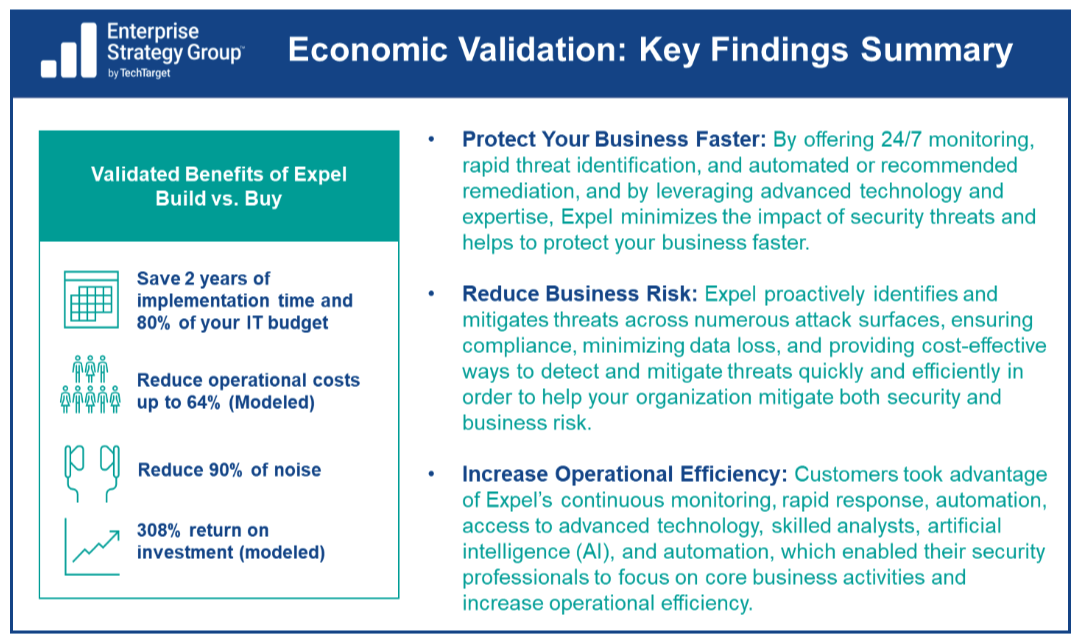
MDR services deliver significant cost advantages. According to a recent Enterprise Strategy Group report, Expel MDR delivers 308% annual ROI. The cost advantage comes from economies of scale—MDR providers spread the cost of their technology platform, threat intelligence, and analyst training across hundreds of customers.
There are scenarios where building a SOC might make financial sense—typically at very large enterprises with thousands of employees or unique security needs requiring dedicated internal resources. But for most organizations, especially those with fewer than 5,000 employees, MDR delivers better security outcomes at lower cost.
What do I give up by choosing MDR over a SOC?
Choosing MDR over building an internal SOC involves trade-offs:
Direct control: With an in-house SOC, you control every operational decision. With MDR, you delegate much of this control to your provider, though you establish response playbooks and escalation procedures during onboarding.
Deep organizational context: Internal SOC analysts develop intimate knowledge of your environment, business processes, and organizational culture. External MDR analysts learn your environment over time, but they’ll never have quite the same depth of context.
Customization flexibility: An internal SOC can pivot instantly based on your needs. MDR providers offer customization, but changes often require coordination and may take longer to implement.
On-site presence: Some organizations prefer having security analysts physically present in their facilities. MDR operates remotely, which may not satisfy organizations that want physical on-site security operations.
However, these trade-offs may be less significant than they initially appear. Most MDR providers work hard to understand your environment, offer customization options, and provide transparency into their operations.
When should I choose MDR over a SOC?
You might choose MDR over building a traditional SOC when:
You lack security staffing: Given the severe cybersecurity talent shortage, MDR provides immediate access to experienced professionals without hiring challenges.
You need 24×7 coverage: Maintaining round-the-clock security operations internally requires significant staffing that MDR delivers without the staffing burden.
Budget constraints exist: If substantial annual investment in internal SOC operations isn’t feasible, MDR delivers similar capabilities at a fraction of the cost.
Speed to capability matters: Building a SOC takes months, but MDR providers can typically deploy within hours with the integrations you need to connect with your technology stack.
Your team is overwhelmed: If your existing security staff is drowning in alerts or unable to focus on strategic initiatives, MDR can relieve that burden.
Compliance requires continuous monitoring: Many regulatory frameworks require 24×7 security monitoring and incident response capabilities that MDR satisfies.
Alternatively, you might choose to build a traditional SOC when:
You have unique requirements: Highly specialized environments like industrial control systems or classified networks may require internal security expertise.
Scale justifies the investment: Very large organizations (10,000+ employees) with massive IT environments may find that building internal SOC capabilities makes economic sense.
Regulatory requirements mandate it: Some industries have compliance requirements that necessitate internal security operations.
For most organizations, the optimal approach often involves starting with MDR to establish baseline security operations quickly and cost-effectively, then considering internal SOC capabilities as your security program matures.