
TL;DR
- Choosing an MDR provider is an uphill battle, so we’ve created a checklist you can use to start the process
- This checklist can help you identify gaps at a glance and give you a space to keep track of what matters for your org
- Download your complimentary copy here
Choosing a managed detection and response (MDR) provider is one of the most critical decisions your security team will make. With threats evolving rapidly and security budgets under constant scrutiny, you need a partner who can deliver comprehensive protection without overwhelming your team. But comparing MDR providers can feel overwhelming—each vendor claims to offer the best coverage, fastest response times, and most advanced technology.
That’s why we’ve created a comprehensive MDR vendor evaluation checklist to streamline your decision-making process.
What to look for in an MDR provider
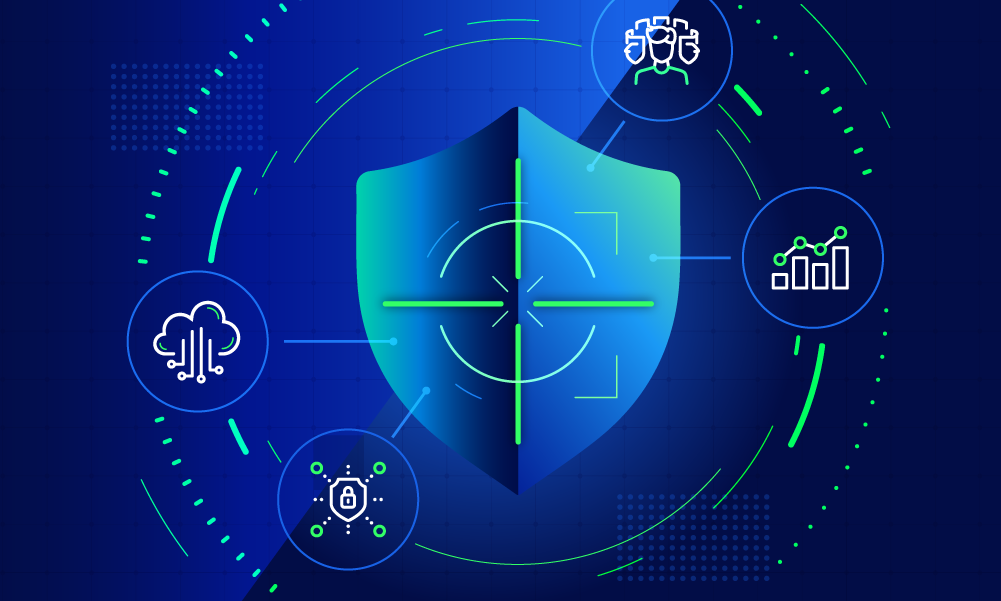
When comparing MDR providers, it’s easy to get lost in marketing claims and feature lists. The key is understanding what truly matters for your organization’s security posture. Our checklist breaks down the evaluation process into four critical categories:
1. Technology & coverage
Modern threats don’t respect boundaries between cloud, endpoint, and network environments. Your MDR provider needs to support the full range of security technologies you already use—from endpoint protection and cloud environment monitoring to SaaS applications and identity management systems. Look for providers that offer a bring-your-own-tech approach with API-based connectivity, allowing you to leverage existing investments rather than forcing you into a specific technology stack.
2. Detection & response capabilities
Speed matters in security. When evaluating MDR services using a checklist, pay close attention to providers’ mean time to detect (MTTD) and mean time to respond (MTTR). Advanced capabilities like AI-assisted triage, custom detection engineering, and automated remediation can dramatically reduce the time between initial compromise and containment. The best providers combine cutting-edge technology with human expertise to reduce false positives while catching real threats.
3. Analyst expertise
Technology alone isn’t enough. Behind every great MDR service is a team of skilled security analysts providing 24×7 coverage. Evaluate the provider’s analyst-to-customer ratio, their specialization depth, and whether you’ll have direct access to the security operations center (SOC). Ask about continuous training programs and quality control processes—these indicate a provider’s commitment to maintaining high standards.
4. Transparency & reporting
You shouldn’t have to wonder what’s happening in your environment. Look for MDR providers that offer real-time investigation visibility, comprehensive reporting, and full audit trail access. The ability to search events, view detection logic, and access performance metrics ensures you maintain oversight while benefiting from managed services. Features like AI-assisted incident reports and investigation summaries can help you quickly understand what happened and why it matters.
How to compare different MDR services using this checklist
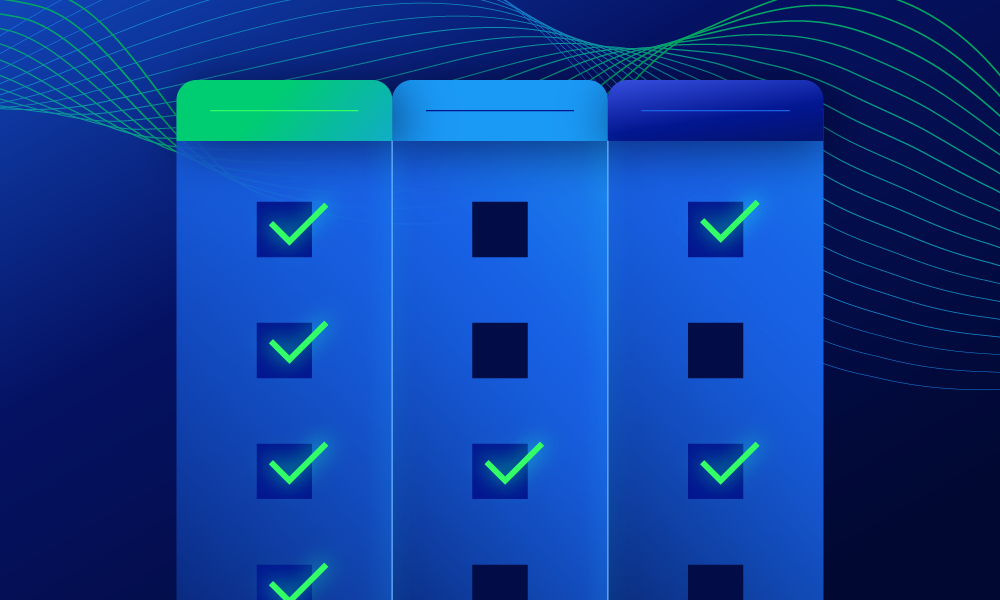
Our MDR provider comparison checklist provides a structured approach to vendor evaluation. Rather than getting overwhelmed by feature lists during sales presentations, you can systematically compare offerings across multiple vendors side-by-side.
The checklist uses a simple yes/no format for quick evaluation, allowing you to:
- Identify gaps in vendor capabilities at a glance
- Add organization-specific requirements that matter to your team
- Document vendor responses for easy comparison during final decision-making
- Support budget discussions with clear feature differentiation
While this checklist provides a solid foundation, remember that it’s designed as a starting point. You’ll want to take a deeper dive into each vendor’s platform, request demos, and ideally complete a proof of concept before making your final decision.